The course will run online from 14:00-17:00: Monday 26 January – Thursday 29 January 2026.
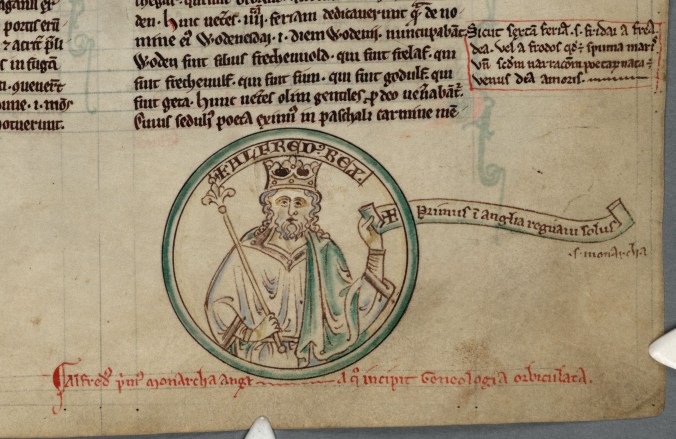
The past was a popular subject for writers in the eleventh, twelfth and thirteenth centuries, particularly in the lands controlled by the kings of England. New narrative accounts of the recent and more distant past were written, and historical documents were compiled and copied into cartularies. In both cases a range of editorial choices were made in crafting accounts of the past. Books were expensive to produce and designed with specific audiences and aims in mind. They presented their histories through their textual content, layout and decoration. This course introduces students to the manuscript sources for a range of medieval histories from England and its neighbours. The teaching team have expertise in codicology, palaeography and art history and will address how these different approaches can be applied to the study of medieval historical writing. Students will consider both the production and reception of medieval histories, build skills in working with manuscript sources, and be introduced to a range of resources to support further research. The past was a popular subject for writers in the eleventh, twelfth and thirteenth centuries, particularly in the lands controlled by the kings of England. New narrative accounts of the recent and more distant past were written, and historical documents were compiled and copied into cartularies. In both cases a range of editorial choices were made in crafting accounts of the past. Books were expensive to produce and designed with specific audiences and aims in mind. They presented their histories through their textual content, layout and decoration. This course introduces students to the manuscript sources for a range of medieval histories from England and its neighbours. The teaching team have expertise in codicology, palaeography and art history and will address how these different approaches can be applied to the study of medieval historical writing. Students will consider both the production and reception of medieval histories, build skills in working with manuscript sources, and be introduced to a range of resources to support further research.
Reading knowledge of Latin is useful, but not essential.
Fees
The fees for the IES Winter School 2026 are:
- Standard | £220
- Concession* | £150
*unwaged/student
Bookings will close on 19 January 2026.
Further information about the Winter School programme is available here.
 Palaeography